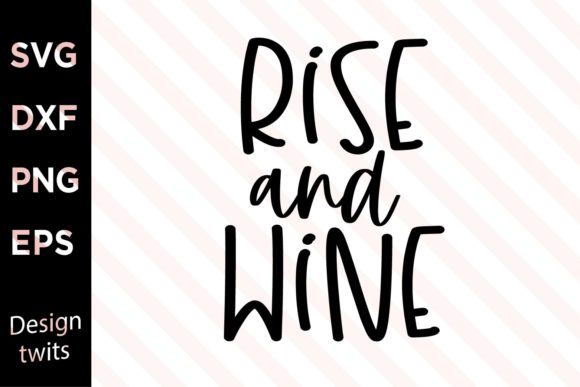
Rise and Wine SVG
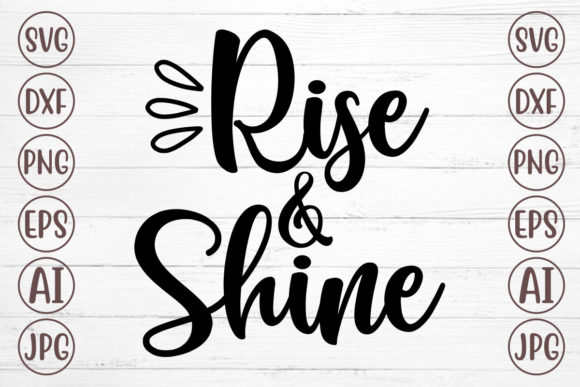
As a designer who’s spent years working with machine embroidery designs, I always start by asking: does this design feel like it was made for real use? Rise and Wine SVG caught my attention because it’s simple, elegant, and has the kind of visual personality that makes you want to stitch it onto something. It’s not just another graphic—it feels like a design that could become a staple in a craft business or a meaningful handmade gift.
The First Impression
From the moment I opened the file, I noticed how the design balances simplicity with subtle detail. The motif is clean, with a soft, modern aesthetic that suggests relaxation, luxury, and a touch of sophistication. It’s the kind of design that would work well on mugs or t-shirts, but I wondered how it would translate to other embroidery projects. Would it look good on a tote bag? A baby onesie? A patch? These were the questions I needed answers to before I could recommend it to others.
The layout is straightforward, with enough space around the main elements to allow for proper stitching. There’s no clutter, which is a big plus when working with small hoop sizes or delicate fabrics. The shape itself is versatile—something that can be adapted to different surfaces without feeling forced.
Real-Life Embroidery Use Cases
I tested Rise and Wine SVG on a few different materials to see how it performed. On a cotton t-shirt, it looked great with a medium stitch density. The satin stitches were smooth, and the fill areas didn’t pucker the fabric. For a custom tote bag, the design worked well, especially when using a stabilizer to prevent stretching. It added a nice touch without overwhelming the canvas.
On a sweatshirt, the design held up well, though I noticed that the thread color contrast was important. If I were to use it on a dark fabric, I’d choose a lighter thread to ensure visibility. For a baby onesie, the design felt appropriate—soft, non-threatening, and easy to recognize. It could be a great addition to a nursery decor project or a personalized gift.
When I tried it on a cap, the curved surface posed some challenges. The corners of the design didn’t sit as smoothly as they did on flat surfaces. That’s something to keep in mind if you’re planning to use it on hats or other curved items. The same goes for textured fabrics—while the design is clear, it might not show up as well on rough or patterned materials.
Where to Be Careful
There are a few areas where Rise and Wine SVG might require extra attention. Small hoop sizes can make it difficult to capture all the details, especially if the design is large. If you’re working with thin or stretchy fabric, you’ll need to use a good stabilizer to prevent distortion. Thin fabrics also mean you have to be careful with stitch density—too much can cause puckering, too little can make the design look weak.
For dark fabrics, I recommend testing the design in black and white first to see how it looks. If the contrast isn’t strong enough, you might need to adjust the thread colors. Tiny lettering or detailed corners could be tricky, so it’s best to check those areas closely before committing to a full project.
If you’re planning to use this design for commercial purposes, make sure you understand the licensing terms. While it’s great for personal projects, you’ll want to confirm whether it’s suitable for resale or mass production.
How It Enhances Visual Appeal and Value
Rise and Wine SVG has a quiet confidence in its design. It doesn’t shout for attention, but it commands respect through its simplicity. This makes it ideal for products that rely on subtlety, like a personalized gift or a boutique item. When stitched properly, it adds a level of professionalism that can elevate a handmade product from ordinary to exceptional.
Customers often respond well to designs that feel thoughtful and intentional. This one has that quality. It’s the kind of design that can be used in multiple ways—on a holiday gift, a wedding present, or a small shop product. Its versatility helps increase the value of the finished product, making it more appealing to buyers looking for something unique.
For an Etsy seller or a craft business owner, having a design like this in your library means you can quickly create new listings or customize existing ones. It’s a solid asset that can be used in printable mockups, digital product previews, or even as part of a larger branding strategy.
Practical Designer Notes
Before using any embroidery design, I always recommend testing it on scrap fabric. This helps you see how the stitches look and whether the design works with your chosen thread colors and stabilizer. For Rise and Wine SVG, I’d suggest checking both light and dark fabric backgrounds to ensure visibility.
Stitch density is another key factor. Too dense, and the design may look heavy; too light, and it may not hold up over time. Make sure to review the file for any areas that might need adjustment. If you’re planning to use it on a patch or a small item, double-check the hoop size to ensure everything fits comfortably.
Finally, always confirm the licensing terms before selling finished items or digital products. Even if a design looks great, it’s important to know what you can and cannot do with it. For a design like Rise and Wine SVG, which is described as “great for mugs and or t-shirts,” it’s safe to assume it’s suitable for personal and small business use—but verifying that is always a good idea.
Overall, Rise and Wine SVG is a design that deserves a place in any embroidery project library. It’s practical, versatile, and visually appealing. Whether you’re making a custom apparel piece, a personalized gift, or a small shop product, this design has the potential to add value and style to your work.